WhatsApp Automation
How to Turn WhatsApp Conversations Into Automated Customer Journeys
Most teams start on WhatsApp the same way: one shared phone, a handful of saved replies, and somebody who remembers to follow up. It works until it does not. The moment volume rises, the follow-ups are the first thing to go - not because anyone decided to stop, but because nobody owns the reminder. A customer journey fixes that by writing the follow-up down once, as a workflow, instead of relying on a person to remember it every time. Start with the trigger, not the message A journey begins with something happening: an inbound message, a form submission, a lead moving stage, an order placed. Pick the trigger first and the rest of the journey writes itself - you are no longer asking what to send, you are asking what should happen next. Inbound message from a new number - send a greeting, capture the contact, tag the enquiry. Lead reaches Qualified - wait a day, then send the pricing template. Order placed - confirm it, then check in a week later. No reply after three days - one follow-up, then stop. Let the wait do the work The step teams skip most often is the wait. A sequence with no delays fires everything within a minute of the trigger and reads as a machine. Delays are what make an automated journey feel like a team that is paying attention: a message the next morning lands very differently to one that arrives four seconds after somebody says hello. Keep the handover open Automation should never be a wall. Every journey needs a point where a human takes the conversation back, and the inbox is where that happens - an agent picks up the thread with the full history already attached, and the workflow stops rather than talking over them. Build one journey, watch it for a fortnight, and only then build the second. The teams that get the most out of automation are rarely the ones with the most workflows.
 MarketFlow
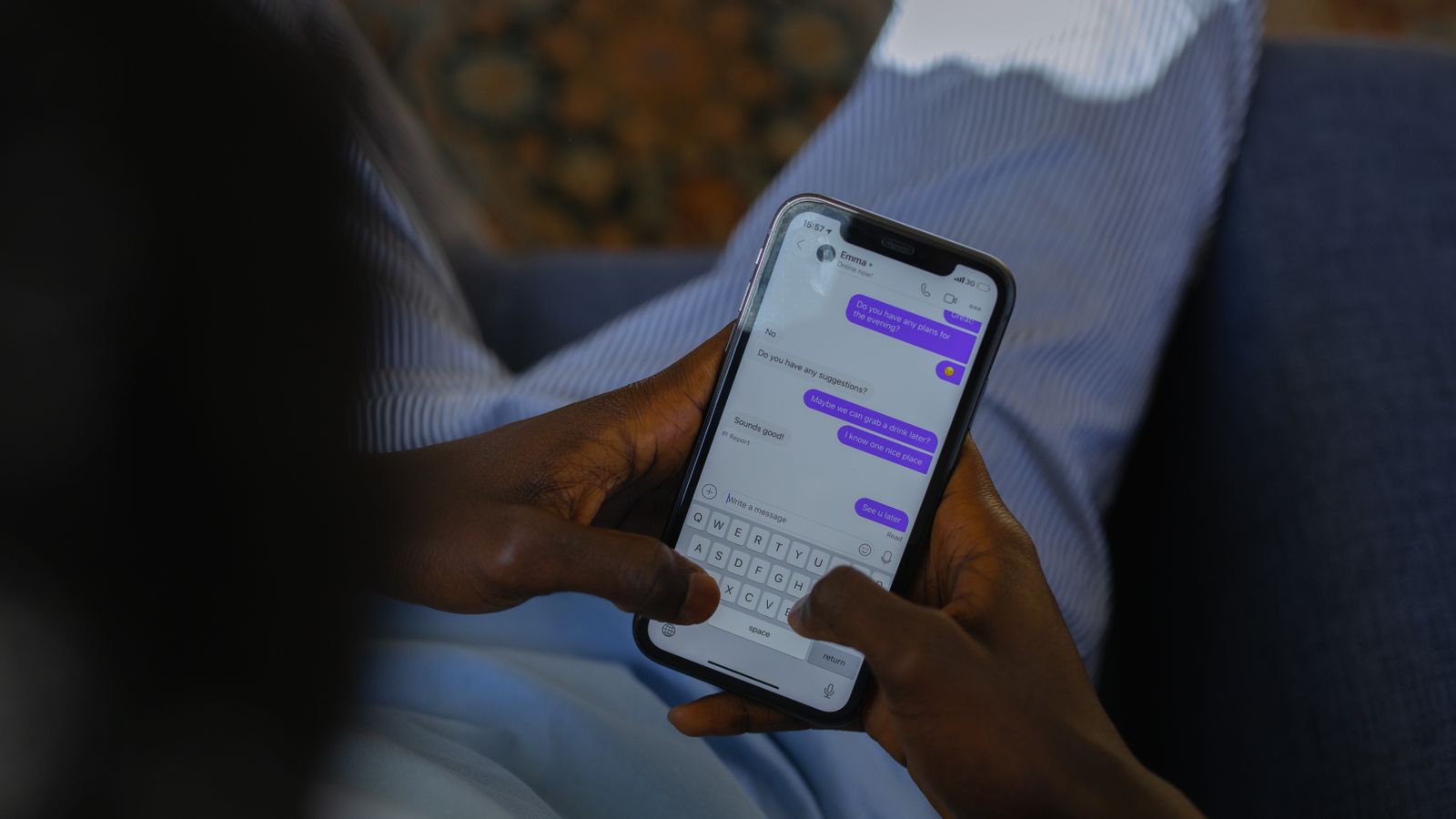
Most teams start on WhatsApp the same way: one shared phone, a handful of saved replies, and somebody who remembers to follow up. It works until it does not. The moment volume rises, the follow-ups are the first thing to go - not because anyone decided to stop, but because nobody owns the reminder.
A customer journey fixes that by writing the follow-up down once, as a workflow, instead of relying on a person to remember it every time.
Start with the trigger, not the message
A journey begins with something happening: an inbound message, a form submission, a lead moving stage, an order placed. Pick the trigger first and the rest of the journey writes itself - you are no longer asking what to send, you are asking what should happen next.
- Inbound message from a new number - send a greeting, capture the contact, tag the enquiry.
- Lead reaches Qualified - wait a day, then send the pricing template.
- Order placed - confirm it, then check in a week later.
- No reply after three days - one follow-up, then stop.
Let the wait do the work
The step teams skip most often is the wait. A sequence with no delays fires everything within a minute of the trigger and reads as a machine. Delays are what make an automated journey feel like a team that is paying attention: a message the next morning lands very differently to one that arrives four seconds after somebody says hello.
Keep the handover open
Automation should never be a wall. Every journey needs a point where a human takes the conversation back, and the inbox is where that happens - an agent picks up the thread with the full history already attached, and the workflow stops rather than talking over them.
Build one journey, watch it for a fortnight, and only then build the second. The teams that get the most out of automation are rarely the ones with the most workflows.